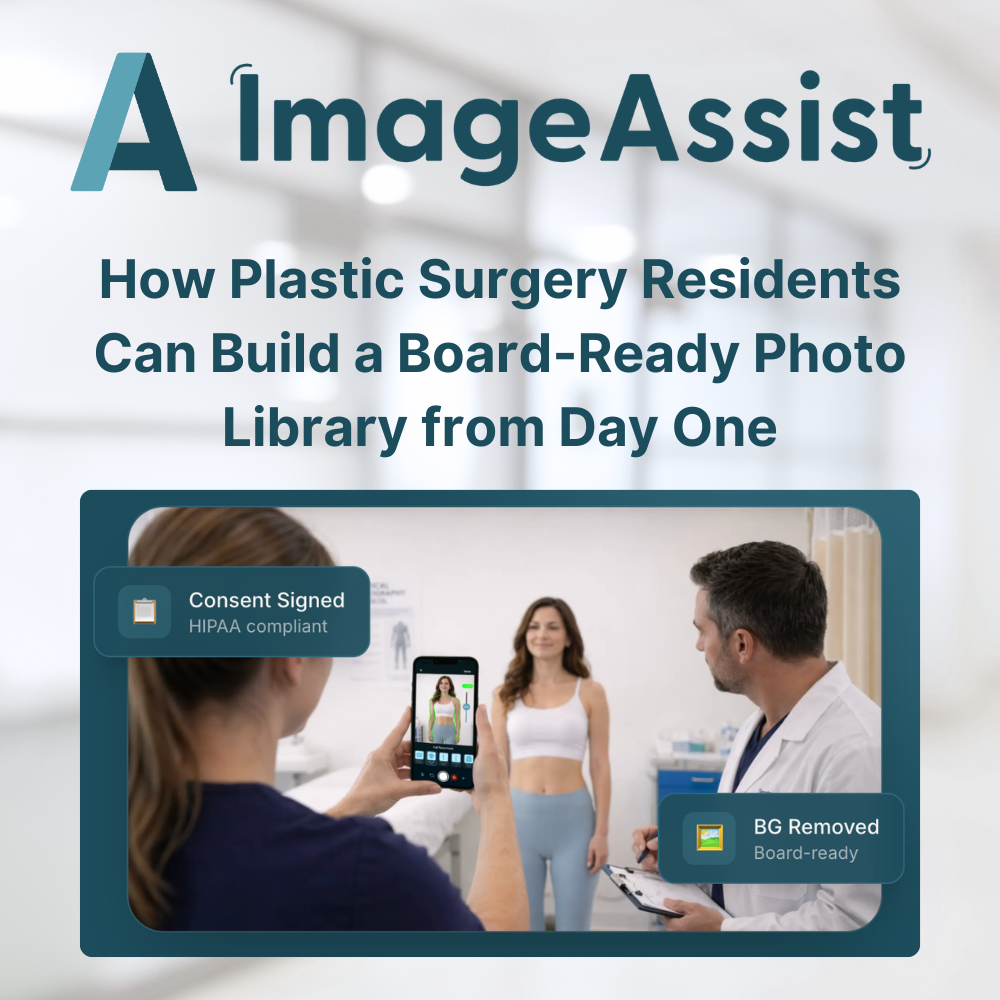
How Plastic Surgery Trainees and New Grads Can Build a Board-Ready Photo Library from Day One
Fri Apr 24 2026
Board certification requires more than great surgical outcomes — it requires great documentation. Here's how ImageAssist solves the photo documentation problem every plastic surgery resident faces.
How Plastic Surgery Residents, Trainees, Fellows, and New Grads Can Build a Board-Ready Photo Library from Day One
Photo documentation is one of the most important — and most neglected — parts of plastic surgery residency training. By the time most residents reach chief year, they're confronting a problem that started on day one: no simple photo workflow, inconsistent images, and personal photos mixed with patient photos on phone.
New grads confront similar issues with streamlining photo consistency, patient photo consent, and organizing case reports for oral boards.
This guide explains exactly what the American Board of Plastic Surgery (ABPS) expects, where most residents fall short, and how ImageAssist was built to solve it.
What the ABPS Requires for Photo Documentation
The American Board of Plastic Surgery requires candidates to submit a case log supported by standardized photographic documentation as part of the oral board certification process. Examiners review a candidate's own case photos during the oral examination — asking questions about clinical decision-making, complication management, and surgical judgment.
To meet ABPS standards, photos must:
- Follow ASPS photographic standards for anatomical positioning
- Include both pre-operative and post-operative images for each case
- Be captured with consistent lighting, positioning, and framing
- Cover required case categories including breast, body, facial aesthetic, craniofacial, hand, and reconstruction
- Be accompanied by documented patient consent for photography
The quality and consistency of a candidate's photo library directly affects their performance at oral boards. Examiners notice when pre- and post-op pairs don't match, when positioning is inconsistent, or when image quality is poor. A disorganized or incomplete case report signals a documentation problem — even when the surgical outcomes are excellent.
Why Most Photo Workflows Fall Short
Despite how important photo documentation is, most residency programs provide no real infrastructure for it. Residents are left to improvise — and the two most common approaches both have serious problems.
The iPhone Problem
Taking patient photos on a personal iPhone is fast and convenient. It's also a HIPAA violation. Patient images on a personal device are not stored in a HIPAA-compliant environment, creating legal exposure for both the resident and the program. Beyond compliance, personal camera rolls offer no structure, no standardized positioning, no consent workflow, and no way to organize cases for board submission.
The DSLR Problem
Some invest in a dedicated DSLR camera setup, which solves the image quality problem but creates new ones. A quality DSLR setup costs thousands of dollars. Images must be manually uploaded, renamed, sorted, and organized — a time-consuming process that often falls behind. And without positioning guides, DSLR photos still suffer from inconsistent framing and angles that don't match ASPS standards.
The Result
Whether they're using an iPhone or a DSLR, most graduating residents aren't aware of ASPS photo guidelines nor have a modern way to implement those guidelines going into practice. The pre-op and post-op pairs don't consistently match. Consent documentation is scattered. Cases are organized by date rather than procedure category. Assembling a submission-ready photo log becomes a stressful, time-consuming project at exactly the moment residents can least afford the distraction.
What ASPS Photographic Standards Actually Require
The American Society of Plastic Surgeons publishes photographic standards that define the correct positioning, framing, and anatomical views for each procedure category. These standards exist so that pre- and post-operative images are directly comparable — which is essential for meaningful clinical documentation and board review.
Standard requirements include specific views for each body region. Rhinoplasty, for example, requires anterior, lateral (bilateral), oblique (bilateral), and base views at minimum. Breast procedures require anterior, lateral, and oblique views. Each view has defined positioning for the patient, defined framing for the image, and expectations around lighting consistency.
Most residents are aware these standards exist. Very few have a reliable system for meeting them on every capture.
Introducing ImageAssist: Built for This Problem
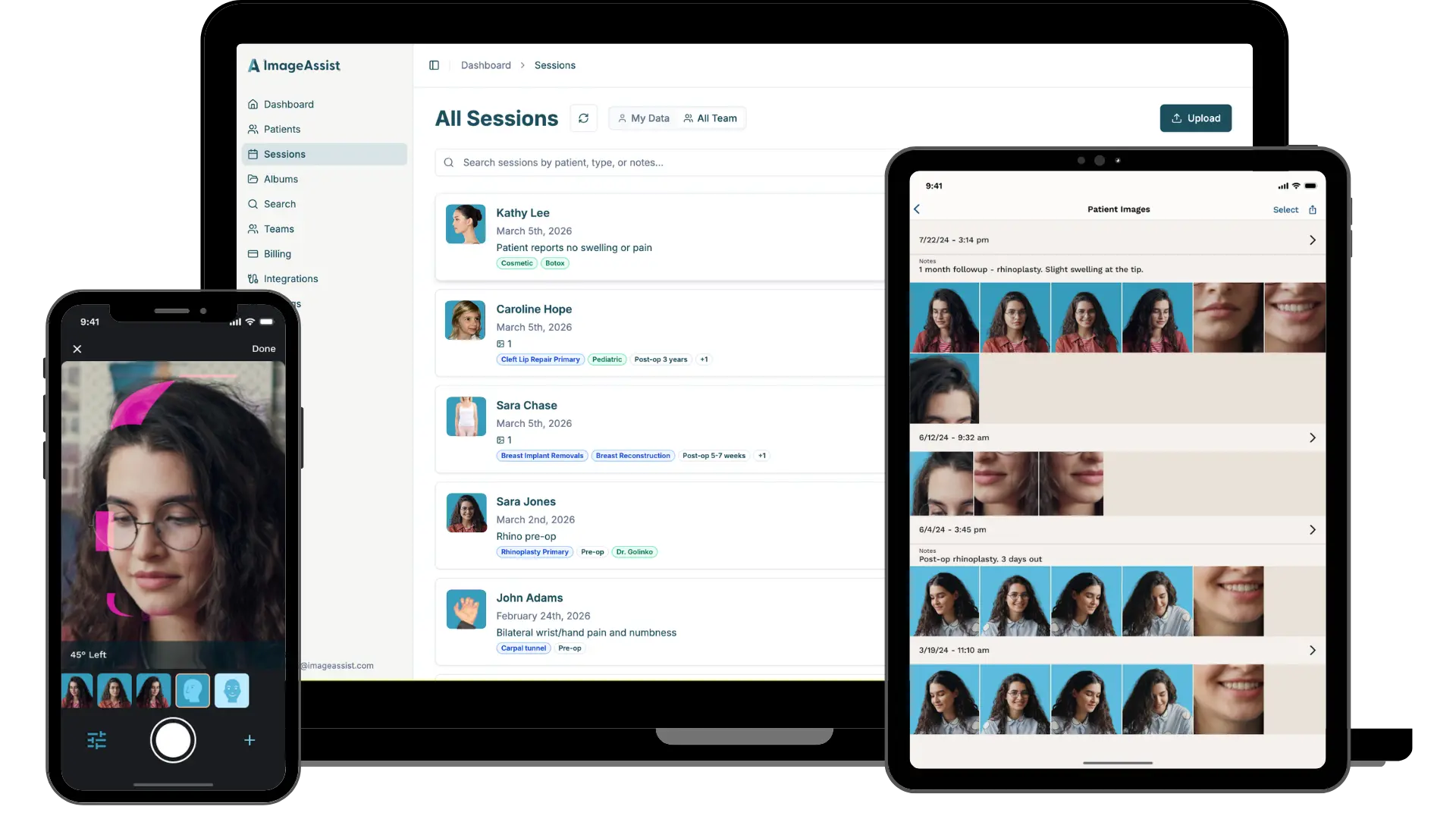
ImageAssist is a clinical photography platform built specifically for plastic surgery trainees and programs. It was founded by Dr. Michael Golinko, Chief of Pediatric Plastic Surgery at Vanderbilt Health and a board-certified plastic surgeon, who spent years watching residents struggle with documentation infrastructure that never improved.
Every feature in ImageAssist was designed around a specific failure point in the current resident workflow.
SmartGuides: ASPS-Standard Positioning on Every Capture
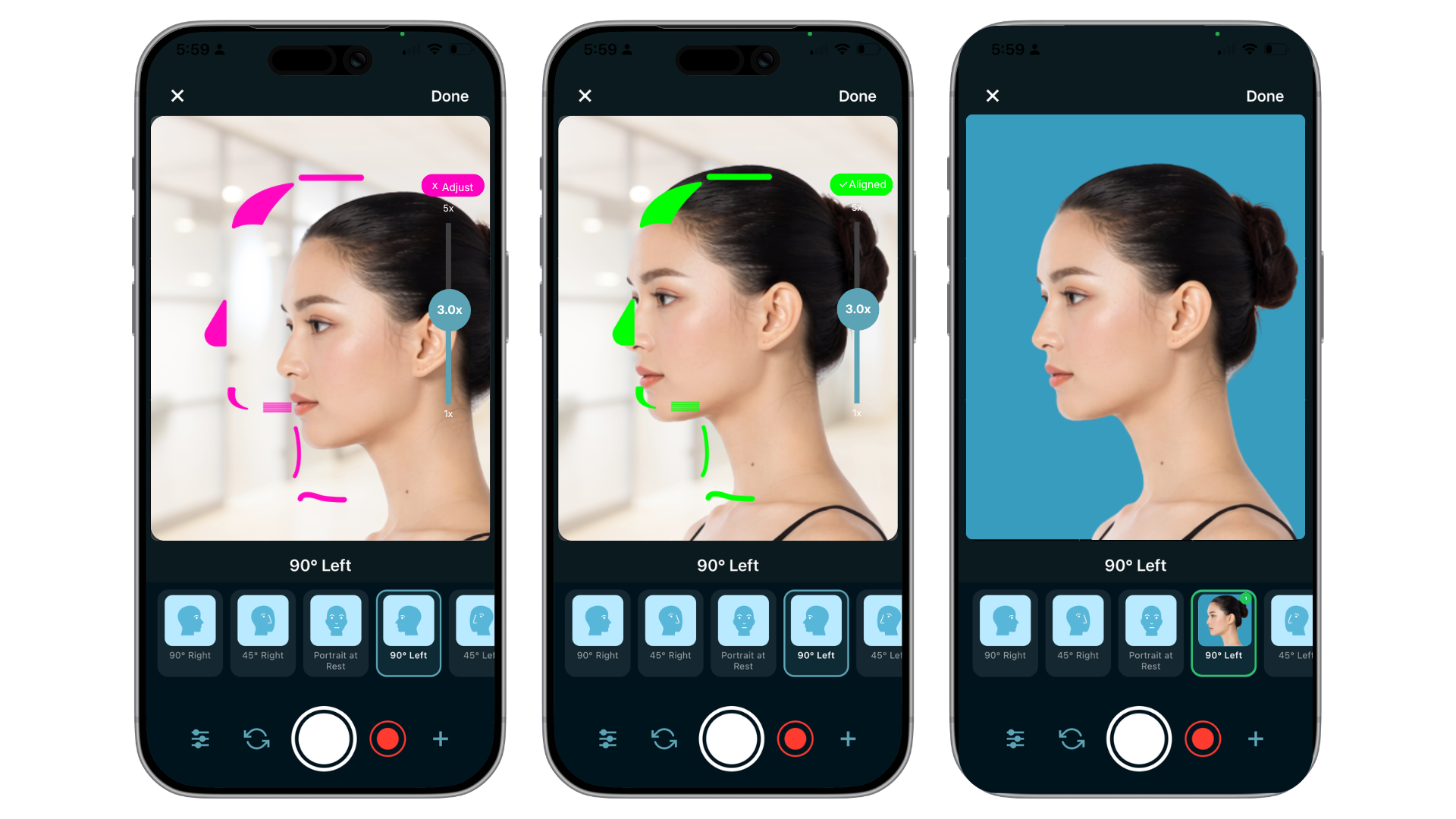
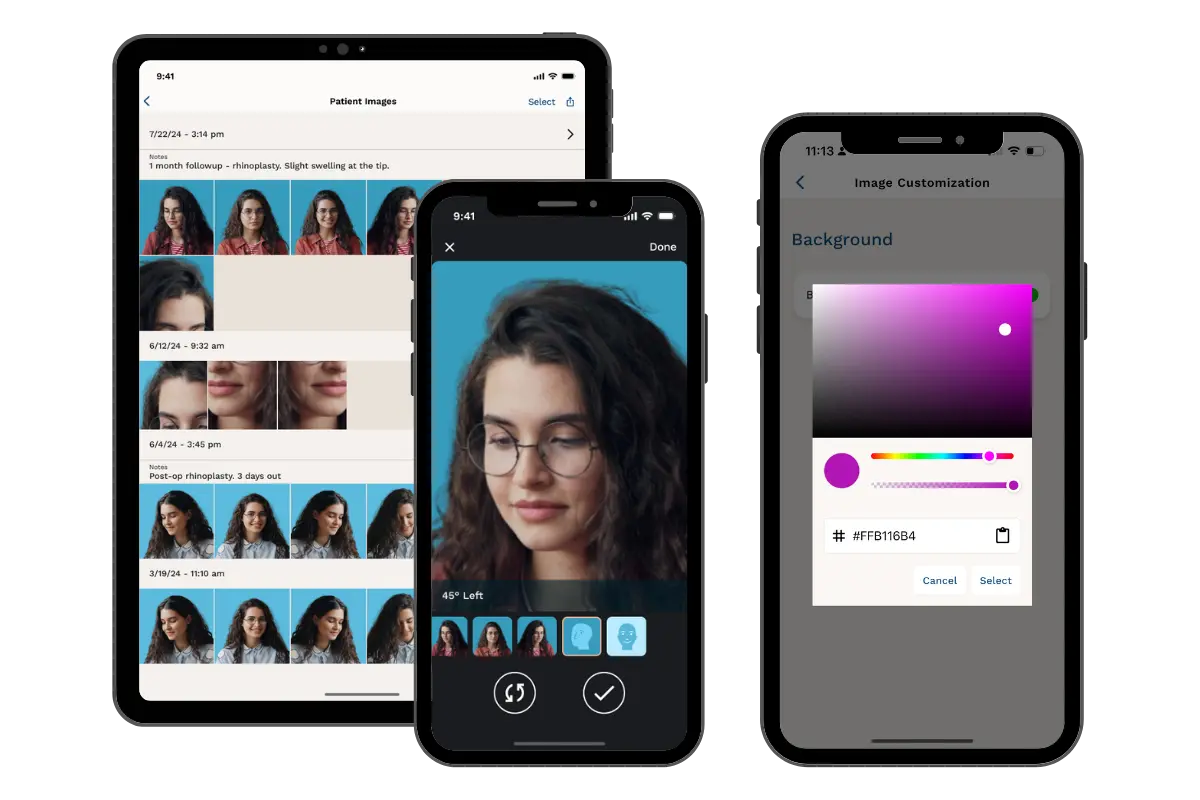
ImageAssist's SmartGuides overlay anatomical positioning guides onto the iPhone or iPad camera in real time. Trainees align the body part to the guide and capture — correct positioning, correct framing, every time. SmartGuides are built directly on ASPS photographic standards, covering all required procedure categories.
The result is a pre- and post-operative library where images match consistently — because the same standard was applied at every capture.
HIPAA-Compliant Cloud Storage
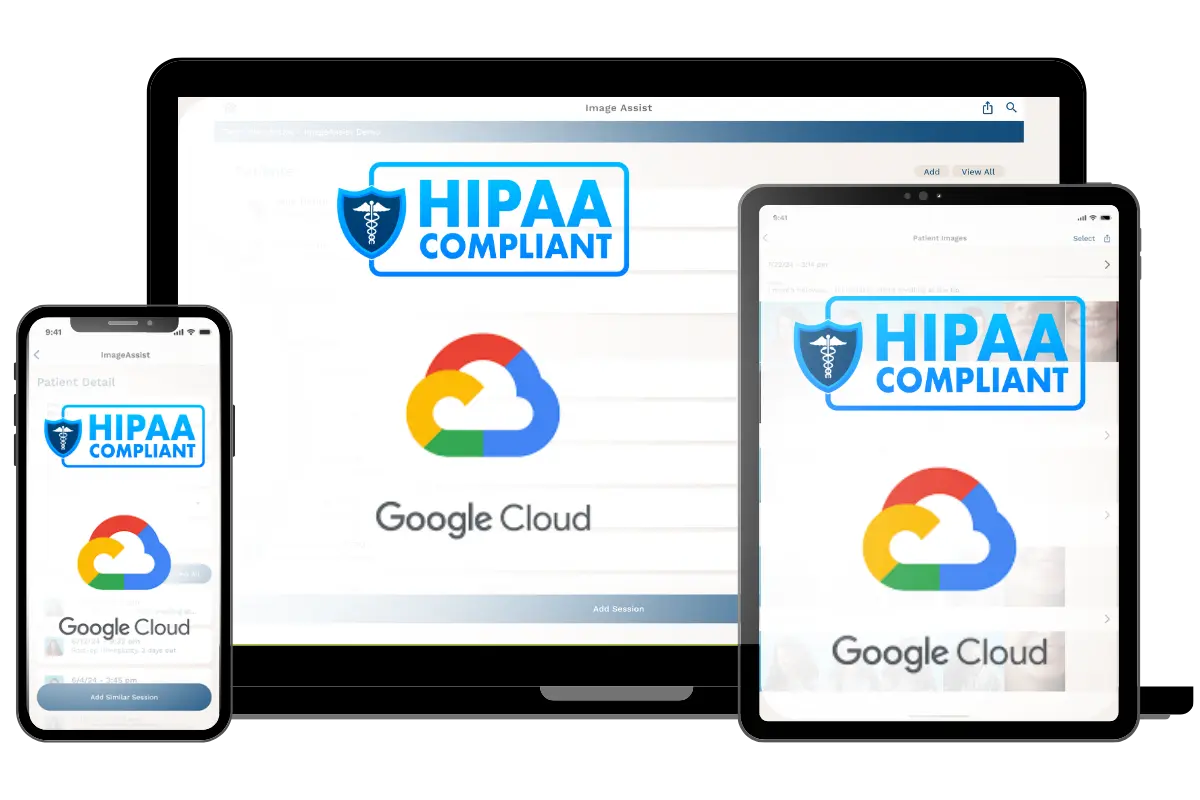
Every image captured in ImageAssist is stored automatically in a HIPAA-compliant clinical cloud. Patient photos never touch a personal device. There is a full audit trail for every image. Trainees can access their complete case library from the ImageAssist web app on any browser.
This eliminates the single largest compliance risk in current trainees photo documentation practice.
Integrated Digital Patient Consent
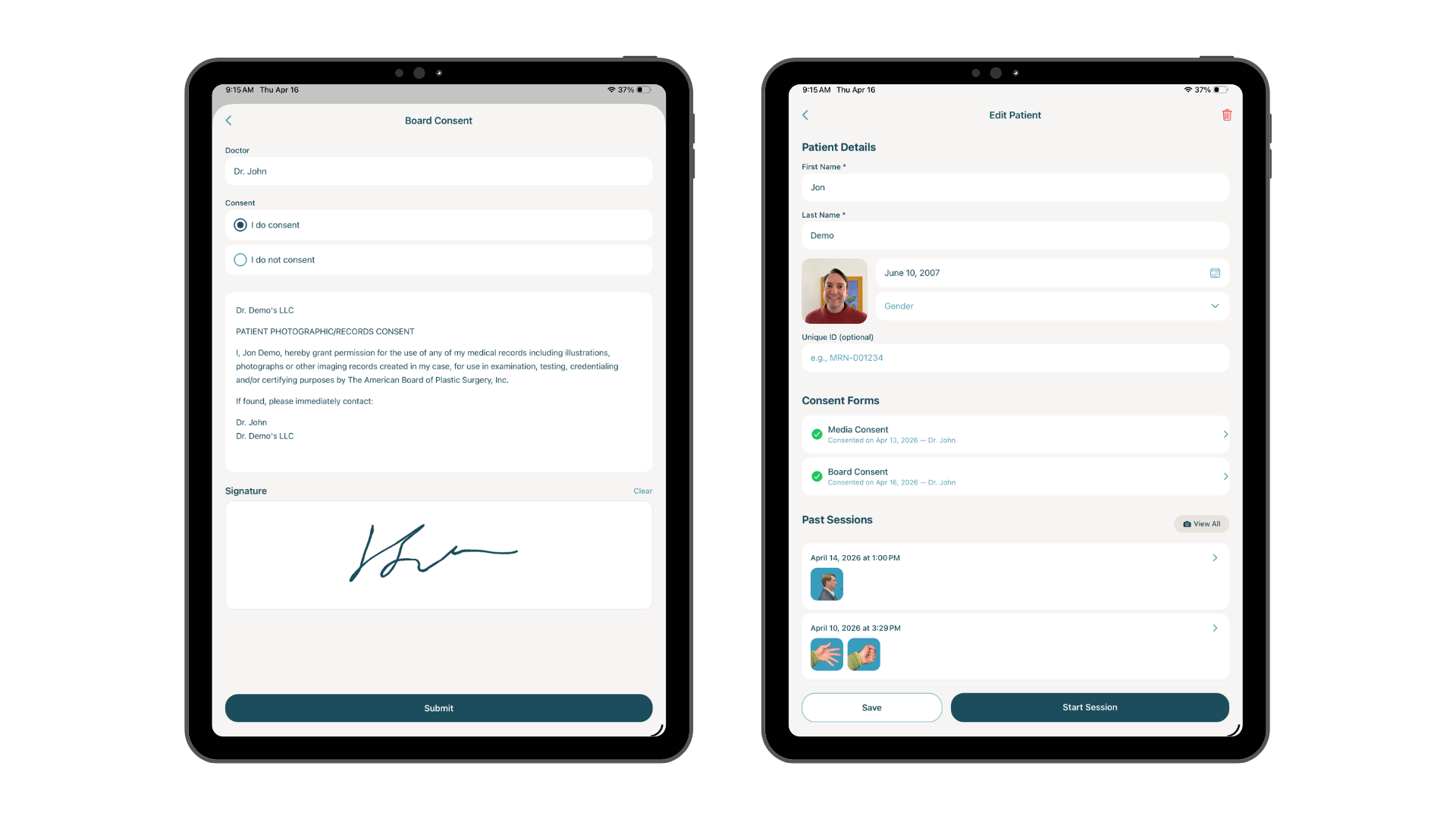
Consent for photography is built directly into the ImageAssist capture workflow. Patients sign on the iPhone or iPad at the point of care — before images are taken. Signed consent forms are stored automatically and downloadable as PDFs from the web app at any time.
Consent is no longer a separate step that gets forgotten, lost, or filed somewhere it can't be found.
Automatic Background Removal
ImageAssist automatically removes image backgrounds, producing clean, subject-only photos that meet the visual standards expected for board documentation — without requiring a dedicated photography studio, neutral backdrop, or post-processing workflow.
Organized Case Libraries and Before/After Galleries
Residents can organize their cases into procedure-category albums and build before/after galleries directly in the ImageAssist web app. The case library builds continuously throughout residency, structured and searchable — so that when oral boards arrive, the documentation is already done.
For Program Directors: A Program-Wide Solution
ImageAssist isn't just a tool for individual residents, fellows, and new grads. It's a documentation infrastructure solution for plastic surgery training programs.
Programs that deploy ImageAssist eliminate the HIPAA liability created by resident use of personal devices. They establish a consistent documentation standard across every resident, every rotation, every year. And they give their residents and new grads a genuine advantage at boards collection — a complete, a tool to build ASPS-standard case reports from day one.
Institutional program pricing is available. Program directors interested in covering their resident cohort are encouraged to reach out directly for a 30-minute demo.
Pricing: Built for Residency Budgets
ImageAssist offers plastic surgery residents a significant discount off standard platform pricing because access to proper documentation tools shouldn't be a financial barrier during training.
Start Building Your Board Library Today
The trainees who arrive at oral boards with complete, consistent, well-organized photo libraries are the ones who started building them in PGY-1 — not the ones who scrambled in chief year.
ImageAssist was built to make that possible for every resident, in every program, regardless of what documentation system their institution currently has in place.
ImageAssist is a clinical photography platform founded by Dr. Michael Golinko, Chief of Pediatric Plastic Surgery at Vanderbilt Health. Built by board-certified plastic surgeons for plastic surgery clinicians.